Source Waterproof Uv Printed Yard Sign for Road, Lawn, Street
Find 30 options for a waterproof uv printed yard sign suitable for road, lawn, and street applications. Compare aluminum and corrugated plastic materials, custom sizes, and UV-proof features from suppliers in Anhui, China; compare the available evidence and request quotations based on your requirements.
Key considerations
Products List
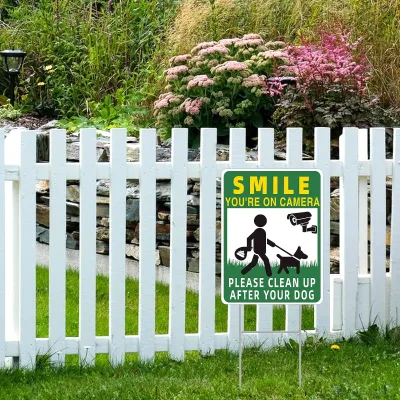
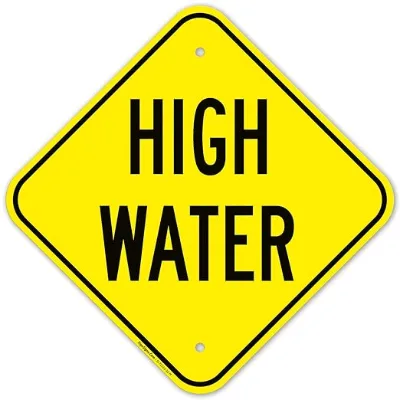
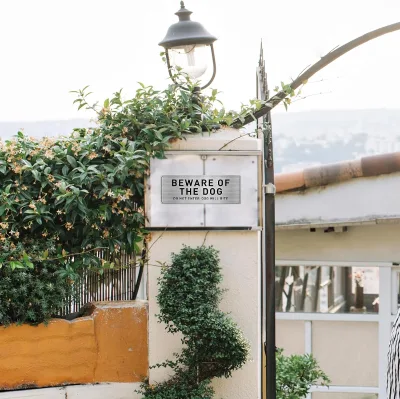
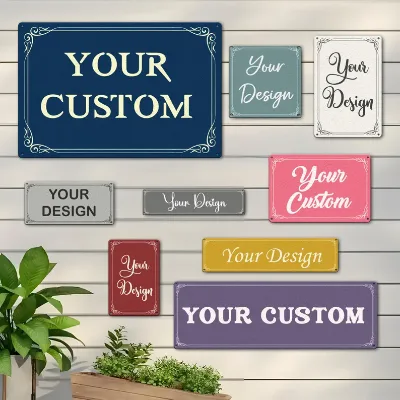
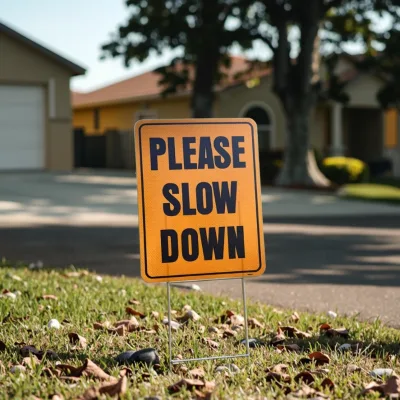
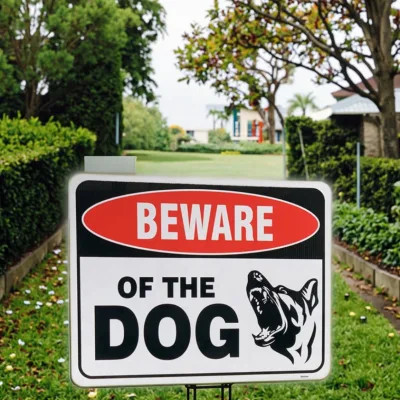
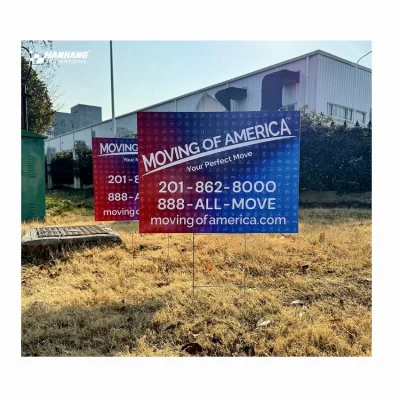



Comprehensive Sourcing Guide
Waterproof UV Printed Yard Sign Sourcing Guide
Procuring waterproof UV printed yard signs requires a strategic approach that balances visual durability with structural integrity. These signs are primarily designed for outdoor visibility, utilizing materials that resist environmental degradation while maintaining vibrant color fidelity. Buyers must understand that "waterproof" and "UV proof" are distinct performance characteristics that require specific material selections and printing technologies to achieve. The sourcing process involves evaluating how well the substrate withstands moisture ingress and how the ink adheres to the surface under prolonged sun exposure.
The market offers a variety of configurations, ranging from simple rectangular aluminum plates to complex corrugated plastic structures with H-stakes. Each configuration serves different installation needs, from permanent street signage to temporary lawn advertising. Understanding the specific application environment is crucial for selecting the right product. For instance, signs intended for high-traffic roadways may require different thicknesses and mounting hardware compared to those used for residential lawn decoration. This guide outlines the key considerations for sourcing these products effectively.
Product Scope and Observed Listing Signals
The current market landscape for yard signs includes diverse material options, prominently featuring aluminum and corrugated plastic sheets. Listings often highlight customization capabilities, allowing buyers to specify dimensions, colors, and printing methods. Common model numbers and brand names appear frequently, indicating a standardized yet customizable production environment. Buyers should observe that materials like corrugated plastic are often paired with H-stakes for easy ground insertion, while aluminum variants may be used for more permanent installations. The presence of customized sizes suggests flexibility in meeting specific spatial requirements.
Observed listing signals reveal a strong emphasis on printing techniques such as silkscreen, UV printing, and die-cutting. These methods contribute to the sign's durability and aesthetic appeal. Attributes like "high-visibility," "rust-proof," and "rain-resistant" are common descriptors, pointing to the functional requirements of outdoor signage. The variety in shapes, from standard rectangles to custom designs, indicates that suppliers can accommodate unique branding needs. Buyers should note that some products offer double-sided printing, which enhances visibility from multiple angles, a critical feature for street and lawn applications.
Technical Specifications to Verify
Verifying technical specifications is essential to ensure the sign meets performance expectations. Key attributes to confirm include material thickness, which can vary from standard 1mm aluminum to thicker corrugated plastics. The size specifications are critical, with common dimensions like 18x24 inches and 12x16 inches being prevalent. Buyers should verify whether the sign is single or double printed, as this affects both cost and visibility. The hardness and water absorption rates of the material also play a role in longevity, with low water absorption being desirable for outdoor use to prevent warping or degradation.
Printing quality and color fastness are paramount for UV printed signs. Buyers should inquire about the UV resistance of the inks used, ensuring they do not fade quickly under sunlight. The contraction percentage of the material should be minimal to maintain shape integrity over time. Additionally, the type of stake or mounting hardware included should be confirmed, as H-stakes are common for lawn signs but may not suit all installation scenarios. Customization options for colors and designs should be clearly defined to avoid discrepancies between the ordered product and the final delivery.
Compliance and Safety Documentation
While specific certification standards may not always be explicitly listed, buyers should request documentation related to material safety and environmental compliance. For plastic-based signs, verifying that the raw materials are eco-friendly and free from harmful chemicals is important, especially for residential and public spaces. Suppliers should be able to provide information on the recyclability of the materials used, such as corrugated plastic or aluminum. This is particularly relevant for brands that prioritize sustainability in their marketing and operations.
Safety documentation should also cover the structural integrity of the sign, particularly the stakes and mounting mechanisms. Buyers need to ensure that the signs are stable and pose no risk of tipping over in windy conditions. If the signs are intended for road use, compliance with local traffic authority regulations regarding visibility and reflectivity may be necessary. Although specific standards are not detailed in the provided facts, buyers should proactively ask suppliers about adherence to relevant industry norms for outdoor signage safety and durability.
Cost Drivers and Commercial Terms
Several factors influence the cost of waterproof UV printed yard signs, including material choice, printing complexity, and order volume. Aluminum signs typically command a higher price due to material costs and durability, while corrugated plastic options are more economical. The printing method also affects pricing, with UV printing offering high quality but potentially higher costs compared to standard silkscreen. Customization levels, such as unique shapes or double-sided printing, can further increase the unit price. Buyers should evaluate these variables to align costs with their budget and quality requirements.
Commercial terms, including minimum order quantities (MOQ) and lead times, vary significantly among suppliers. Some listings indicate low MOQs, such as 1 piece, catering to small-scale or sample orders, while others require bulk purchases of hundreds or thousands of units. Understanding these terms is crucial for inventory planning and cash flow management. Buyers should negotiate terms that balance cost efficiency with flexibility, especially when testing new designs or entering new markets. Clear communication regarding payment terms and shipping logistics is essential to avoid unexpected expenses.
Supplier Qualification and Quality Control
Evaluating supplier qualifications is a critical step in the sourcing process. Buyers should assess the supplier's experience in manufacturing outdoor signage and their capability to handle custom orders. Checking for consistent production quality and reliable delivery records helps mitigate risks. Suppliers with a strong presence in regions like Anhui, China, often have established supply chains for materials like aluminum and plastic sheets. Buyers should verify the supplier's ability to maintain quality control throughout the production process, from material sourcing to final printing and packaging.
Quality control measures should include inspections for print alignment, color accuracy, and material defects. Buyers may request samples to evaluate the physical properties of the signs, such as flexibility, strength, and print durability. Establishing clear quality standards and acceptance criteria before production begins is vital. Regular communication with the supplier during the production phase can help identify and address potential issues early. Building a relationship with a reliable supplier ensures consistent quality and supports long-term procurement goals.
Long-Term Procurement Checks
Long-term procurement success depends on continuous monitoring of supplier performance and market trends. Buyers should regularly review supplier reliability, including on-time delivery rates and responsiveness to issues. Tracking changes in material costs and printing technologies can help anticipate price fluctuations and identify opportunities for cost savings. Staying informed about new sustainability initiatives in the signage industry can also guide material selection and branding strategies. Regular audits of supplier quality control processes ensure that standards are maintained over time.
Feedback from end-users and field performance data are valuable for refining product specifications. Buyers should collect information on how signs perform in various weather conditions and over extended periods. This data can inform future design choices and material selections. Additionally, maintaining a diverse supplier base can reduce dependency on a single source and provide flexibility in sourcing. By focusing on these long-term checks, buyers can build a resilient and efficient procurement strategy for waterproof UV printed yard signs.
FAQs
What materials are used for waterproof UV printed yard signs?
These signs are typically made from corrugated plastic sheets or aluminum. Corrugated plastic offers a lightweight and eco-friendly option, while aluminum provides a rust-proof and durable solution. Both materials support UV printing to ensure the colors remain vibrant and resistant to fading under direct sunlight exposure.
Can I customize the size and shape of these signs?
Yes, customization is available for both size and shape. Standard sizes include 18x24 inches and 12x16 inches, but you can request specific dimensions. Shapes can be rectangular or customized with H stakes, allowing for unique designs that fit specific yard or street display requirements effectively.
What is the minimum order quantity for these signs?
The minimum order quantity varies by supplier and product type. Some listings require a minimum of 200 pieces, while others allow orders as low as 5 or even 1 piece. Buyers should check specific product pages to confirm the exact MOQ applicable to their desired design and material choice.
How durable are UV printed yard signs in outdoor conditions?
These signs are designed to be highly durable with features like UV proofing and rain resistance. The printing process ensures durable color that withstands weather elements. Materials like aluminum are rust-proof, and corrugated plastic is lightweight yet sturdy, making them suitable for long-term outdoor use in various environments.
Where are these yard signs typically manufactured?
Many of these signs are manufactured in Anhui, China. This region is a known hub for producing various signage products, including custom street signs and yard displays. Buyers can source directly from factories in this location to benefit from established supply chains and competitive pricing for bulk orders.
What printing methods are used for these signs?
Common printing methods include UV printing, silkscreen printing, and die-cutting printing. UV printing provides high-quality, durable images that are resistant to fading. Silkscreen is used for solid colors, while die-cutting allows for precise shape customization. These methods ensure clear visibility and professional appearance for advertising or warning signs.